
Postgraduate Certificate in Creating Complex Knitted Lace Structures
Postgraduate Certificate in Creating Complex Knitted Lace Structures
Course Overview
This course is for designers, makers. They learn complex lace structures. Meanwhile, they gain skills.
Thus, students create intricate patterns. Additionally, they develop techniques. Therefore, they produce unique textiles.
Description
Explore intricate designs. Develop complex lace structures. Meanwhile, enhance your knitting skills.
Gain expertise. Pursue careers in fashion, textiles, or education. Additionally, create unique patterns. Furthermore, build a portfolio.
Moreover, learn from experts. Benefit from hands-on experience. Consequently, become a skilled lace designer. Ultimately, unlock new opportunities.
Key Features
Quality Content
Our curriculum is developed in collaboration with industry leaders to ensure you gain practical, job-ready skills that are valued by employers worldwide.
Created by Expert Faculty
Our courses are designed and delivered by experienced faculty with real-world expertise, ensuring you receive the highest quality education and mentorship.
Flexible Learning
Enjoy the freedom to learn at your own pace, from anywhere in the world, with our flexible online learning platform designed for busy professionals.
Expert Support
Benefit from personalized support and guidance from our expert team, including academic assistance and career counseling to help you succeed.
Latest Curriculum
Stay ahead with a curriculum that is constantly updated to reflect the latest trends, technologies, and best practices in your field.
Career Advancement
Unlock new career opportunities and accelerate your professional growth with a qualification that is recognized and respected by employers globally.
Topics Covered
- Introduction to Lace: Exploring basics of knitted lace.
- Yarn and Tool Selection: Choosing suitable yarns and tools.
- Basic Lace Techniques: Mastering fundamental lace stitches.
- Complex Lace Patterns: Creating intricate lace designs.
- Shaping and Finishing: Shaping and finishing lace pieces.
- Advanced Lace Design: Designing complex lace structures.
Key Facts
Key Facts:
Audience: textile enthusiasts
Prerequisites: knitting skills
Outcomes: advanced techniques.
Meanwhile, students learn. Additionally, they create.
Why This Course
Learners pick this.
Gain skills
Build networks
Enhance careers
Meanwhile, they develop.
Thus, learners grow.
Complete Course Package
one-time payment
Limited Time Offer Ends In
Days
Hrs
Min
Sec
Course Brochure
Download our comprehensive course brochure with all details
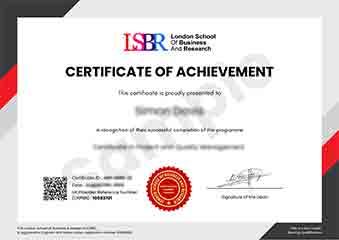
Sample Certificate
Preview the certificate you'll receive upon successful completion of this program.
Pay as an Employer
Request an invoice for your company to pay for this course. Perfect for corporate training and professional development.
What People Say About Us
Hear from our students about their experience with the Postgraduate Certificate in Creating Complex Knitted Lace Structures at CourseFoundry.
Charlotte Williams
United Kingdom"The course material was meticulously curated, providing a comprehensive foundation in the intricacies of complex knitted lace structures, and I was thrilled to see my skills in needlework and pattern manipulation significantly improve. The practical applications learned have already enhanced my professional capabilities, allowing me to tackle more complex projects with confidence."
Siti Abdullah
Malaysia"This course has given me the confidence to take on complex lace knitting projects that were previously daunting, and I've already seen a significant increase in my client base as a result of my new skills. The ability to create intricate lace structures has also opened up new opportunities for me to collaborate with other designers and manufacturers, allowing me to expand my professional network and stay ahead of the curve in this rapidly evolving industry."
Arjun Patel
India"The course structure was meticulously designed, allowing me to gradually build upon my knowledge of complex knitted lace structures, from foundational principles to advanced techniques, and I was impressed by the seamless integration of theoretical and practical components."